
Retaining highly skilled physicians who are increasingly seeking flexibility, control, and a better quality of life is no small feat for a healthcare executive. Traditional retention tools like signing bonuses and salary increases are no longer enough to combat the powerful forces of burnout and the growing gig economy. The very clinicians you rely on, from seasoned experts nearing retirement to the new generation of talent, are now looking for non-linear career paths that the traditional hospital model often fails to provide.
The solution, however, may lie in embracing this trend rather than fighting it. By integrating flexible work models and strategic benefits directly into your core talent strategy, you can transform your health system from a place physicians feel trapped to one they choose to stay with, day after day, year after year. This article explores five innovative strategies designed to do just that, helping you build a more resilient, loyal, and engaged physician workforce for the future.
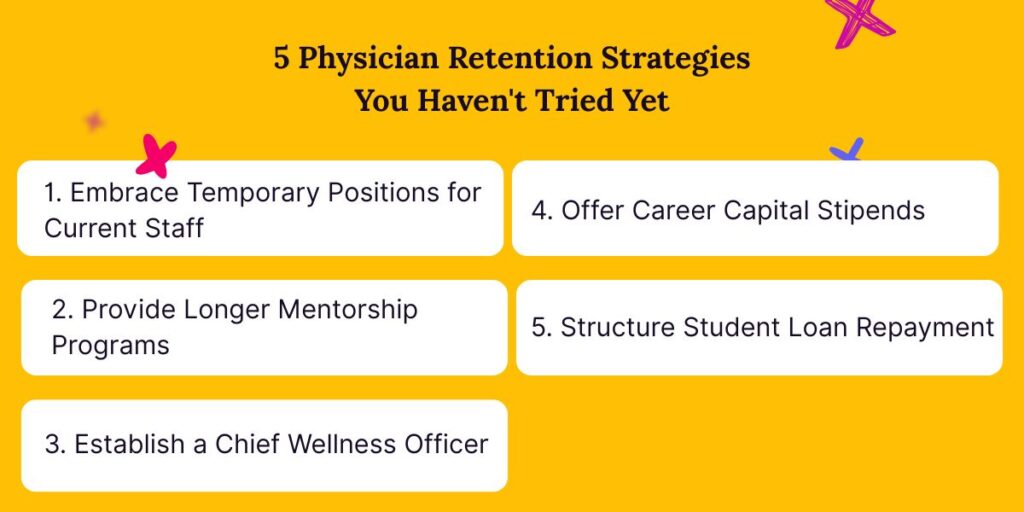
1. Embrace Temporary Positions for Current Staff
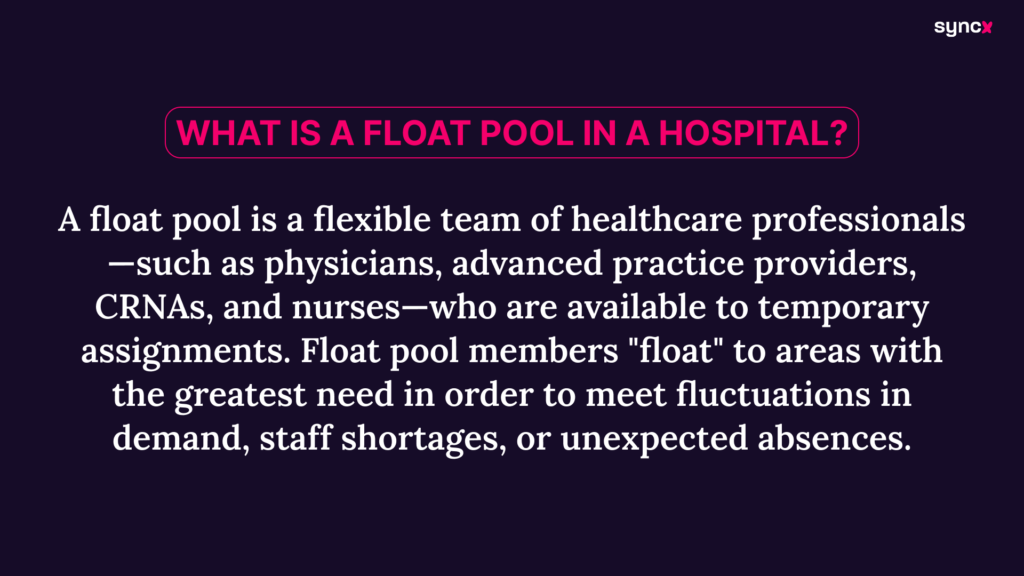
One of the most significant retention opportunities lies with your experienced, near-retirement physicians who may be eager to scale back from a full-time schedule but aren’t ready to fully disengage. An internal float pool allows these valuable experts to transition into flexible, lower-intensity roles without leaving for a locum tenens agency. This strategy preserves their immense institutional knowledge, maintains your patient care quality, and offers them a phased retirement path on their own terms, turning a potential loss into a valuable transition.
- Preserves Institutional Knowledge: Keeps decades of experience and specialized skills within your system.
- Enables Phased Retirement: Offers a flexible, dignified transition for senior experts, delaying full retirement.
- Boosts Recruitment & Morale: Attracts and retains a modern workforce that values non-traditional, flexible career paths.
- Increases Operational Resilience: Creates a versatile internal workforce to fill scheduling gaps and reduce reliance on external staff.
2. Provide Longer Mentorship Programs
Move beyond a brief onboarding check-in by establishing a mentorship program that lasts a full year or more. Pairing new hires with seasoned veterans not only creates a dedicated channel for guidance through the difficult first-year transitions, it also helps prevent a wider range of issues that lead to staffing turnover. According to a study from the European Society for Medicine, mentorship programs can have significant positive benefits on physician retention, burnout prevention, and quality of patient care. By investing in a profound, long-term relationship from the start, you build deep loyalty and demonstrate a genuine commitment to a physician’s entire career journey with you.
- Accelerates Proficiency & Integration: Helps new hires become confident, effective contributors more quickly.
- Improves First-Year Retention: Directly addresses the high risk of turnover in a physician’s initial months.
- Strengthens Cultural Cohesion: Systematically embeds your organization’s values, norms, and collaborative spirit.
- Develops Future Leaders: Invests in long-term leadership pipelines by empowering your veteran physicians as mentors.
3. Establish a Chief Wellness Officer
To effectively combat burnout, some health systems move beyond resilience training and address systemic issues with executive-level authority. Appointing a Chief Wellness Officer (CWO)—a clinical leader empowered to implement operational changes—signals a fundamental commitment to your staff’s well-being. This role is tasked with fixing the root causes of frustration, such as inefficient workflows, EHR usability, and bureaucratic burdens, rather than just offering wellness apps. This strategic investment proves that well-being is an organizational priority, which builds trust, improves morale, and becomes a powerful reason for top clinical talent to stay and thrive within your system.
- Targets Root Causes of Burnout: Shifts focus from individual resilience to fixing inefficient systems and workflows.
- Provides Executive-Level Advocacy: Ensures clinician challenges are heard and addressed at the highest level of leadership.
- Enhances Psychological Safety: Signals a profound commitment to staff well-being, building trust and loyalty.
- Improves Patient Care & Safety: By directly improving clinician well-being, you concurrently enhance patient outcomes and reduce errors.
4. Offer Career Capital Stipends
Move beyond traditional compensation by investing directly in your physicians’ professional growth and intellectual fulfillment with a dedicated “Career Capital” stipend. This annual fund can be used for pursuits that reinvigorate their practice, such as obtaining a new sub-specialty certification, attending leadership training, or learning a niche procedural skill. This strategy directly counters career stagnation by empowering physicians to shape their own career path and develop new areas of expertise. It demonstrates a tangible investment in their future, fostering a sense of partnership and loyalty.
- Combats Career Stagnation: Provides a direct antidote to burnout by funding new challenges and intellectual growth.
- Enhances Recruitment & Retention: Serves as a powerful, differentiating benefit that attracts ambitious talent and gives them a reason to stay.
- Future-Proofs Your Clinical Offerings: Systematically builds new capabilities and specialties within your own workforce.
- Boosts Physician Engagement: Empowers physicians with autonomy over their professional development, increasing job satisfaction.
5. Structure Student Loan Repayment
Leverage one of the largest financial burdens facing modern physicians as a powerful, long-term retention tool. There’s enormous appeal for physicians in multi-year student loan repayment programs that vest over time, such as a significant lump sum paid after years three and five of service. This incentivizes physicians to build their career with you. For health systems, directly linking the resolution of a major life stressor to continued employment both protects your experts from burnout and other stressors while building immense loyalty toward your organization.
- Creates Powerful Long-Term Incentives: Ties a life-changing financial benefit directly to tenure, encouraging career-long commitment.
- Alleviates a Top Source of Stress: Directly addresses a primary financial and psychological burden for a majority of physicians.
- Provides a Strong Competitive Advantage: Makes your offer significantly more attractive than those with only traditional salary and benefits.
- Improves Financial Wellness: Contributes to overall physician well-being by accelerating their path to financial freedom.
Is an Internal Float Pool the Key to Your Physician Retention Strategy?
Ready to transform physician retention from a challenge into your strongest competitive advantage? Syncx specializes in building and managing turnkey internal float pools that empower your health system to offer the flexibility today’s workforce demands, keeping your valued near-retirement experts and flex-seeking clinicians within your ecosystem.
Stop losing your best talent to the open market and start building a resilient, agile workforce from within. Schedule a complimentary demo with Syncx today to see how our managed service model can create a sustainable retention strategy tailored for you.